Waste collection W11 what local residents need to know
Posted on 09/05/2026
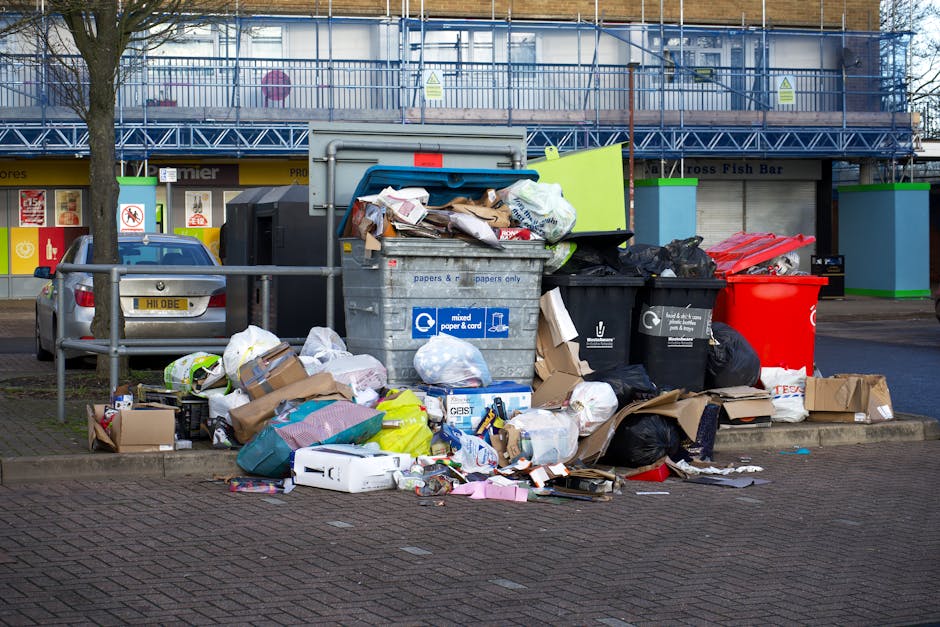
Waste collection W11: what local residents need to know
If you live in W11, waste collection can feel simple right up until it isn't. One week it's a straightforward bin day; the next, you're dealing with bulky items, garden cuttings, renovation debris, or a missed pickup that has left the pavement looking messy. This guide to Waste collection W11 what local residents need to know is designed to make the process easier, clearer, and a lot less annoying.
You'll find practical guidance here on how collection works, what residents usually need to prepare, where mistakes happen, and how to make better choices for recycling, disposal, and local service use. Whether you're clearing out a flat, managing a family home, or sorting waste after a small refurbishment, the basics matter. Quite a lot, actually.
And yes, a little local know-how goes a long way. In a busy part of West London, timing, access, and sorting waste properly can save you time, reduce hassle, and avoid unpleasant surprises.
- Why waste collection in W11 matters
- How waste collection works in W11
- Key benefits and practical advantages
- Who this is for and when it makes sense
- Step-by-step guidance
- Expert tips for better results
- Common mistakes to avoid
- Tools, resources and recommendations
- Law, compliance, standards and best practice
- Options, methods and comparison
- Case study or real-world example
- Practical checklist
- Conclusion
- Frequently asked questions
Why Waste collection W11 what local residents need to know Matters
Waste collection is one of those everyday services you only notice when it is disrupted. In W11, where properties range from compact flats to larger homes and period conversions, rubbish management tends to be a little more varied than people expect. There may be limited frontage, tight access, shared bins, controlled parking, or simply not enough room to keep bulky waste out of sight. That changes how collection needs to be planned.
It matters for more than convenience. Poor waste handling can lead to odours, pests, cluttered communal spaces, blocked access, and a poor impression for visitors or neighbours. If you're preparing a property for sale or letting, the visual impact is immediate. If you're hosting an event, even a small one, waste planning becomes part of the overall smoothness of the day. For context on how local property presentation can affect value, the guide on Holland Park properties as a smart investment offers useful perspective.
There's also the sustainability angle. Many residents want to recycle properly but are not always sure what belongs where. Truth be told, the rules can feel fussy until you break them down into simple habits. Once you do, waste collection becomes much more manageable.
Expert summary: Good waste collection in W11 is not just about removing rubbish. It is about planning access, sorting materials correctly, protecting shared spaces, and choosing the right collection method for the type and volume of waste.
How Waste collection W11 what local residents need to know Works
At the most basic level, waste collection in W11 usually falls into two broad categories: routine household disposal and one-off or specialist clearance. Household waste covers everyday refuse, recycling, and garden waste where applicable. Specialist collection is for items that do not fit neatly into normal bin arrangements, such as furniture, white goods, builders' waste, or accumulated clutter.
For residents, the process usually starts with identifying what needs removing and how much of it there is. A bag or two of mixed rubbish is very different from a flat full of furniture or post-renovation debris. The collection approach should match the waste type, not the other way round.
Many households also need to think about timing. If waste has to be removed from an upper-floor flat, through a shared hallway, or during busy daytime hours, coordination matters. You want the job done neatly and quickly, not with boxes stacked awkwardly outside while neighbours wonder what's going on. Not ideal.
It also helps to understand the practical difference between a standard collection and a man-and-van style service. Standard residential arrangements are usually limited in what they can take and how often. A private collection service may be more flexible, especially for bulky items or mixed loads. For a broader look at what local services can cover, see the services overview page.
Residents dealing with large items often find the dedicated furniture disposal service useful, while those clearing homes after a move or inheritance may need a fuller house clearance in Holland Park. Garden waste and seasonal cutbacks are a different story again, which is why garden waste removal deserves its own plan.
Key Benefits and Practical Advantages
Good waste collection habits are not glamorous, but they pay off fast. If you handle rubbish properly, the whole property feels calmer. You notice it in the smell, the space, the ease of moving around, and even in how a home photographs. That matters for day-to-day living and for any property-facing decision.
- Cleaner shared spaces: Hallways, entrances, and bin stores stay more usable.
- Less stress: You know what to do with bulky or awkward items instead of leaving them to pile up.
- Better recycling outcomes: Segregating waste makes it easier to keep reusable and recyclable materials out of general rubbish.
- Improved presentation: Especially helpful if you are selling, letting, or hosting guests.
- Fewer access issues: Well-planned collections are easier to manage in narrow streets and shared entrances.
There is also a practical money angle. Mixed waste, scattered collection requests, or delayed clear-outs can become more expensive than handling things properly from the start. If you are comparing service levels or want a better idea of what affects quotes, the pricing and quotes page is a sensible place to start.
For residents who care about sustainability, the benefit is straightforward: less landfill where recycling or reuse is possible. The recycling and sustainability page explains the mindset behind that approach in more detail. Small decisions add up. They really do.
Who This Is For and When It Makes Sense
This guide is useful for a wide range of W11 residents, because waste problems tend to appear at predictable moments. You might not need help every month, but when you do, you usually need it quickly.
- Flat owners and tenants: especially where shared bins fill quickly or bulky items are hard to move discreetly.
- Homeowners: for periodic decluttering, garden work, or renovation waste.
- Landlords and agents: when preparing a property between tenancies or after an end-of-lease clean-up.
- People moving home: because moving exposes all the forgotten items hiding in cupboards and lofts.
- Businesses and home offices: particularly where paper waste, broken furniture, or old equipment needs separate handling.
If you are dealing with a larger commercial space, the needs can shift from household collection to more structured office clearance. That is where an office clearance service in Holland Park becomes more relevant than a standard household pickup.
It also makes sense to use a dedicated collection service when the waste is too awkward for your own vehicle, too heavy to move safely, or too much to fit in normal bins. Ask yourself: would this be easier, safer, and less messy if someone else handled it? If yes, that is usually your answer.
Step-by-Step Guidance
If you want waste collection in W11 to go smoothly, follow a simple process. It does not need to be complicated. A sensible sequence is usually enough.
- Sort the waste by type. Separate general rubbish, recycling, garden waste, furniture, electrical items, and builders' waste where possible.
- Estimate the volume. A few sacks, a car-load, or a full room's contents all need different handling.
- Check access. Look at stairs, lifts, parking, loading space, and any building rules.
- Remove anything reusable. Keep documents, valuables, and items you may still want. It sounds obvious, but it happens all the time.
- Book the right service. Match the job to the waste type rather than assuming one service fits all.
- Prepare the collection point. Make sure waste is easy to reach and does not block communal areas.
- Ask about recycling and disposal. A reputable provider should be able to explain how materials are handled.
A small real-world example: if you are clearing a spare room after years of "I'll deal with that later" storage, it is rarely just junk. You may find old paperwork, broken shelving, a lamp with a loose wire, and two chairs someone promised to take away three summers ago. Sort first. Save yourself from digging through the pile twice.
For larger clear-outs involving bulky home furnishings, the furniture disposal page is worth reviewing. If the waste comes from a bigger project, especially a refurbishment, the builders' waste disposal service is the more appropriate route.
Expert Tips for Better Results
Small choices make waste collection easier. The kind of easier that you feel immediately, usually the minute the skip, van, or collection team arrives and everything is already organised.
1. Keep separate waste streams separate
Do not mix garden cuttings with rubble, or clean cardboard with food waste if you can avoid it. Mixed loads are harder to handle and can reduce recycling opportunities.
2. Bag and label where useful
For a household clear-out, simple labels like "donate," "recycle," or "dispose" can speed things up. It sounds a bit overcautious. It saves time anyway.
3. Plan for building access, not just the front door
In W11, the challenge is often not the amount of waste but the route out of the property. Tight staircases, shared lifts, and controlled entry systems all affect the job.
4. Keep delicate or hazardous items aside
Paint, batteries, and some electrical items may need special treatment. If you are unsure, ask before mixing them into general rubbish.
5. Think in terms of one clean sweep
If you know a loft, cupboard, or garage needs clearing, try to deal with it in one planned effort rather than six half-finished attempts. Half-finished waste jobs have a way of lingering. Weeks, sometimes.
If you want to understand the team behind the service and the standards they work to, the about us page is a useful background read. For reassurance around handling and operational care, the insurance and safety information also matters more than many people realise.

Common Mistakes to Avoid
Most waste collection problems are avoidable. The tricky part is that they usually look minor until they turn into delays, extra costs, or neighbour complaints.
- Leaving sorting until collection day: this slows everything down and increases mistakes.
- Underestimating volume: a small pile can grow quickly once drawers, cupboards, and storage boxes are opened.
- Blocking shared areas: common entrances and corridors should remain clear.
- Ignoring access restrictions: parking, loading, and time windows all matter in central London locations.
- Assuming all waste is the same: it is not. Garden waste, furniture, and builders' waste each have different handling needs.
- Forgetting documents or valuables: paper trails and small personal items are easy to toss accidentally.
One particularly common mistake is leaving a pile "just for a bit" outside the property because it seems easier than moving it indoors. In reality, that can cause nuisance, attract attention, and make the area look neglected. If you have ever seen a neat street suddenly become cluttered by one forgotten mattress or broken table, you know the effect. Instant.
Another one: not checking the service terms before booking. The terms and conditions page is there for a reason. It may not be thrilling reading, but it can prevent misunderstandings about what is included, what needs to be prepared, and what happens if access turns out to be trickier than expected.
Tools, Resources and Recommendations
You do not need fancy equipment to manage waste well, but a few practical tools make life easier. A decent set of gloves, sturdy bags, marker pens, and a measuring tape can be surprisingly useful. For larger items, a trolley or sack truck can help, though only if the route is safe and manageable.
- Heavy-duty sacks: useful for mixed household waste, but avoid overfilling them.
- Label stickers or tape: simple but effective for sorting during a clear-out.
- Measuring tape: helpful for furniture, white goods, and access checks.
- Protective gloves: sensible for dusty lofts, garden waste, and awkward edges.
- Phone notes or photos: useful when requesting a quote or explaining the waste type.
For some residents, the most useful resource is simply a clear service menu. If you want to compare the available options before making a decision, the waste collection in Holland Park page is a good starting point. If you are planning a move or sale, it can also help to read the local area content such as this Holland Park neighbourhood overview or the guide on rubbish collection on Holland Park Avenue.
For a broader sense of the local environment and how waste handling fits into everyday living, the article on Holland Park as a suburban oasis in London is a nice companion read. It gives context, which helps more than you might think.
Law, Compliance, Standards, or Best Practice
Waste collection is not just a practical matter; it also touches on duty of care, safety, and proper disposal practices. Without getting too legal about it, residents should make sure waste is handed to a legitimate operator and not abandoned, fly-tipped, or left in a way that creates risk to others.
In the UK, good practice generally means:
- keeping waste secure until collection;
- separating recyclable materials where possible;
- being careful with potentially hazardous items;
- using responsible providers that can explain where waste goes;
- avoiding obstruction of public or shared access routes.
For residents and landlords alike, the standard is simple enough: do not assume waste can be left anywhere just because it is inconvenient to move. If you are unsure about a particular item, ask before the collection date rather than guessing. That includes electricals, sharp items, old paint, or anything that might need special handling.
Best practice also extends to payments and data. If you are booking a paid collection service online, it is sensible to understand the provider's transaction and privacy approach. The pages on payment and security, privacy policy, and cookie policy are all part of that trust picture.
And yes, if a provider cannot explain their process in plain English, that is a small warning sign. Not always a deal-breaker, but worth noticing.
Options, Methods, or Comparison Table
There is no single best method for every home. The right choice depends on waste type, volume, urgency, access, and how much of the work you want to handle yourself.
| Method | Best for | Strengths | Limitations |
|---|---|---|---|
| Routine household bins | Everyday rubbish and recycling | Convenient, familiar, low effort | Not suitable for bulky or unusual items |
| Dedicated waste collection service | Mixed household waste, bulky items, one-off clear-outs | Flexible, quicker, suited to larger jobs | May require advance booking and clear access |
| Furniture disposal | Old sofas, tables, wardrobes, beds | Simple for awkward heavy items | Needs lifting space and item preparation |
| House clearance | Whole-room or whole-property clear-outs | Best for major decluttering or moves | More planning required |
| Builders' waste disposal | Renovation debris, rubble, offcuts | Designed for heavier construction waste | Material types may need separating |
For many W11 residents, the decision is less about the cheapest option and more about the least stressful one. If it saves you two weekends of lifting, sorting, and rechecking what goes where, that is worth something.
Case Study or Real-World Example
Here is a realistic local scenario. A resident in W11 is preparing a two-bedroom flat for new tenants after a long occupancy. There is a tired sofa, a broken side table, an old office chair, several bags of mixed household waste, and a small pile of garden trimmings from the courtyard. Nothing dramatic, just the usual aftermath of normal living.
At first glance, it looks manageable in a few trips to the bins. But there is no lift, the staircase is narrow, and the building has shared access, so dragging everything through in stages would create mess and risk damaging walls. Instead, the resident sorts the items in advance, separates anything recyclable, keeps personal paperwork back, and books a collection suited to mixed residential waste and furniture removal.
The result is straightforward: less clutter, faster turnaround, and a property that feels clean and ready. That is the sort of outcome people often want but do not always plan for early enough. A bit of structure solves most of it.
This same approach works when someone is moving out, renovating, or clearing a room that has quietly become a storage unit for everything under the sun. We have all got one of those rooms, or know someone who does.
Practical Checklist
Use this checklist before your waste collection day. It is simple, but it catches most problems before they become awkward.
- Sort waste into clear categories.
- Remove valuables, documents, and personal items.
- Check whether any items need special handling.
- Measure large furniture or awkward items.
- Confirm access routes, parking, and building rules.
- Keep shared areas clear and tidy.
- Prepare waste close to the collection point if safe to do so.
- Ask for clarification if you are unsure about a material type.
- Review booking details, terms, and payment information.
- Set aside time for a final walk-through after collection.
Quick takeaway: if you prepare waste properly before collection day, you usually save time, reduce stress, and improve the chances of a smooth, tidy removal.
Conclusion
For local residents, waste collection in W11 is really about making ordinary life easier. The right approach keeps homes cleaner, shared spaces more pleasant, and bigger jobs far less stressful. It also helps you handle recycling and disposal in a way that feels responsible, not rushed.
The main thing to remember is simple: match the method to the waste, plan for access, sort early, and ask questions before the collection date if anything feels unclear. That one habit can save a lot of faff. And in London, a little less faff is always welcome.
If you are ready to compare options or need a more tailored solution for bulky items, clear-outs, or renovation debris, take a look at the relevant service pages and choose the approach that fits your home best.
Get a free quote today and see how much you can save.
Good waste handling is rarely noticed when it goes well, which is exactly why it matters. Quietly, it keeps the neighbourhood working.
 Tipper Van - Rubbish Removal and Waste Clearance Prices in Holland Park, W8
 Luton Van - Rubbish Removal and Waste Clearance Prices in Holland Park, W8


