Rubbish collection access issues Holland Park flats
Posted on 26/06/2026
Rubbish collection access issues Holland Park flats: a practical guide for residents, landlords, and managers
If you live in a Holland Park flat, you already know the drill: a narrow stairwell, a tight courtyard, a gated entrance that never seems to be open when you need it, and rubbish that somehow becomes urgent at the worst possible time. Rubbish collection access issues Holland Park flats are more common than people think, and they can turn a simple collection into a frustrating delay if the route, timing, or building access is not planned properly.
This guide breaks down what the access problem actually is, why it matters, and how to handle it without chaos. You will also find a step-by-step process, a practical checklist, and a few realistic examples from the sort of flats you see around the neighbourhood. Truth be told, this is one of those jobs where a little planning saves a lot of awkward phone calls.
Why Rubbish collection access issues Holland Park flats Matters
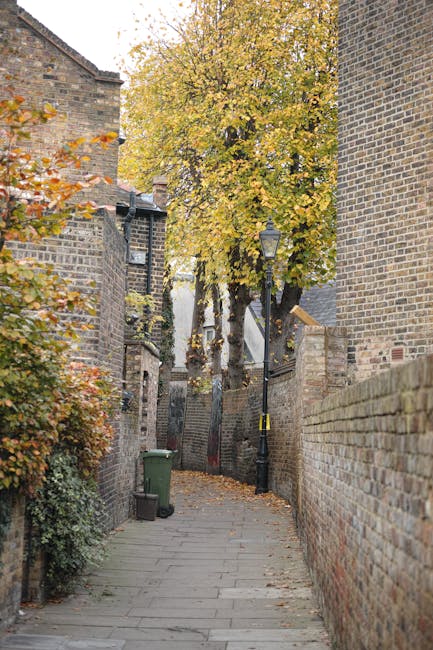
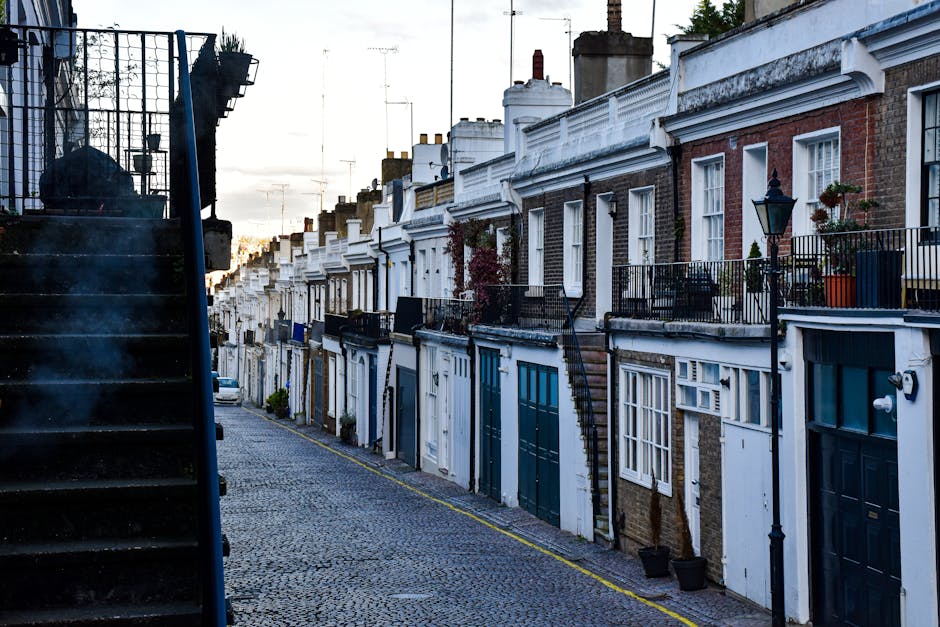
Access is not a minor detail. In flats, it is often the difference between a tidy, efficient collection and a pile of bags sitting in a hallway for another day. In Holland Park, that matters even more because many buildings have features that make waste removal less straightforward: mews-style entrances, basement flats, shared bin stores, private roads, steep steps, lift restrictions, and parking that is not exactly generous.
When access breaks down, the knock-on effects are easy to underestimate. Waste can block communal areas, create smells, attract pests, and irritate neighbours. It can also become a management issue if bags are left where they should not be. In a building with shared responsibility, one missed handoff can become everyone's problem. Not ideal, and everyone knows it.
There is also a practical business side to it. If you are a landlord, managing agent, seller, or tenant preparing for a move, waste that is left behind can slow down inspections, final cleaning, or handover. If the property is part of a wider housing or investment picture, small operational issues like this can affect how smoothly the place runs, which is why some owners look at broader local context through resources such as the Holland Park properties smart investment guide and selling real estate in Holland Park.
For residents, the point is simpler: access issues waste time. A collection crew may arrive and find they cannot safely move items out, cannot park near the entrance, or cannot reach the bin area without building keys or permission. Then you are back to square one, only with a heavier mood and maybe a corridor that looks a bit worse than before.
Expert summary: In flat buildings, waste collection is rarely just about lifting rubbish. It is about route planning, timings, permissions, safety, and making sure items can actually leave the building without disrupting neighbours or common areas.
How Rubbish collection access issues Holland Park flats Works
At a basic level, rubbish collection for flats works by getting waste from the inside of the property to a point where it can be safely removed. That sounds obvious, but the access part is where things usually get complicated.
Typical collection points in Holland Park flats may include:
- front steps or basement entrances
- shared bin rooms
- rear alleys or courtyard access
- service entrances with restricted key access
- lift-served upper floors with size or weight limits
- controlled parking bays or permit-only streets
If the waste team cannot get to the collection point easily, the job slows down. That can mean extra time on site, more labour, or a requirement for the resident or building manager to help open gates, move vehicles, or provide access codes. In some cases, the problem is not the rubbish itself but the building rules around when and how it can be moved.
You will notice that flats often need more coordination than houses. A house might only require the crew to reach the front door and load from the pavement. A flat may involve a porter, concierge, intercom, lift booking, key fob, neighbour coordination, and a very careful approach to communal areas. A tiny difference, but it changes the whole job.
That is why reliable local waste collection tends to start with questions, not trucks. What floor is the flat on? Is there lift access? Can vehicles stop nearby? Are there timed restrictions? Is bulky furniture involved? If the answer to any of those is unclear, the collection plan should be adjusted before anyone turns up with a full van and a tight schedule.
For readers comparing service types, it helps to understand the wider local offering first. The services overview can give you a clearer sense of what kinds of collections are typically available, and the broader waste collection Holland Park service is a useful reference point if your building has recurring access challenges.
Key Benefits and Practical Advantages
When access is planned properly, the benefits show up very quickly. Some are obvious, some less so.
- Fewer failed collections: The crew knows what to expect, so the job is less likely to stall at the kerb or in the lobby.
- Less disruption to neighbours: Better planning reduces noise, hallway clutter, and repeated trips in and out of the building.
- Safer handling: Tight stairwells and awkward bends are a common source of knocks and scratches, so route planning matters.
- Cleaner communal areas: Waste can move out in one controlled sequence rather than sitting around for hours.
- Better cost control: Clear access details can reduce the chance of unexpected labour time or rebooking.
- Faster turnaround: This matters during moves, refurbishments, or end-of-tenancy clean-ups when time is tight.
There is also a quieter benefit: good access planning tends to make everybody calmer. Residents feel less rushed, building staff know what is happening, and the collection team can work without constant stop-start communication. That sounds small. It isn't, really. Calm systems are usually the ones that work.
For properties with renovation waste, access planning becomes even more valuable because bulky items, packaging, and mixed materials can pile up fast. If that is your situation, it may be worth looking at builders waste disposal in Holland Park as well as recycling and sustainability practices, especially if you want to avoid sending perfectly recyclable material into the wrong bin stream.
Who This Is For and When It Makes Sense
This kind of planning is useful for a wide range of people, not just block managers.
- Tenants clearing a flat after a move or decluttering before an inspection.
- Landlords dealing with leftover furniture, black bags, or dumped items after tenancy changes.
- Letting agents coordinating end-of-tenancy clearance and cleaning.
- Resident associations trying to keep communal storage areas usable.
- Block managers who need collections to happen without upsetting access rules.
- Homeowners in flats with bulky items, garden waste from terrace spaces, or renovation debris.
It makes the most sense when access is not straightforward, which is often the case in Holland Park. Think of older mansion blocks with internal corridors, basement flats with stair-only access, and buildings where the lift is too small for a wardrobe but the hallway is definitely not meant for one. A chair can become a logistical event. Slightly dramatic, but there it is.
It also makes sense when timing matters. If you are selling, for example, clutter can distract from a viewing. If you are preparing for a private event or guest arrival, you may want the common areas looking calm and presentable. Some readers use local guides like best event venues in Holland Park or experience the best of both worlds in Holland Park to understand the character of the area, but the same principle applies: this is a neighbourhood where presentation matters.
Step-by-Step Guidance
If you want to avoid delays, follow a simple process. Nothing fancy. Just a proper order of operations.
- Walk the route first. Check how the waste will leave the flat. Note stairs, doors, lifts, narrow turns, and any awkward corners.
- Confirm building rules. Find out whether you need concierge approval, a lift booking, a fob, or a specific collection time.
- Measure bulky items. Sofas, beds, filing cabinets, and wardrobes are the usual troublemakers. If it barely fit coming in, it may not be fun going out.
- Separate what stays and what goes. Mixed piles slow everything down. Keep recyclables, general waste, and reusable items apart where possible.
- Communicate access details early. Give the crew clear notes on parking, entrance codes, and where to meet.
- Protect communal spaces. Use blankets or cardboard where needed and keep stairwells clear.
- Schedule with buffer time. If access is tight, do not cut it too close. Five extra minutes can save a lot of nonsense.
- Check the final sweep. Once the load is out, look for hidden waste in cupboards, balconies, or storage nooks. They have a habit of appearing later, annoyingly.
One practical trick: if the flat is on an upper floor and the lift is unreliable or too small, stage items in a sensible holding point before collection day. That may be a hallway corner, a service area, or a protected landing space, depending on building rules. Don't block fire exits, obviously. That part is non-negotiable.
If the job involves only a few items and the access is simple, a standard collection may be enough. But if the building is more complicated than that, a more flexible rubbish removal option may be better. You can compare local support through same day rubbish removal Holland Park avoid delays and rubbish clearance Campden Hill Road quick local options, especially if timing is already tight.
Expert Tips for Better Results
After handling enough flat collections, a few patterns become obvious. The best jobs are rarely the biggest ones. They are the best prepared ones.
1. Treat access like part of the job, not an afterthought
If you only think about access on collection day, you are already late. A quick route check the day before makes the whole process smoother.
2. Use one point of contact
Too many messages create confusion. One resident, one concierge, or one managing agent should handle instructions. Otherwise the crew gets three versions of the same story, which is never fun.
3. Keep bulky items close to the exit, but safely
Do not leave heavy items deep inside the flat if they can be moved earlier without causing obstruction. The closer they are to the exit, the less time the team spends carrying them through shared areas.
4. Ask about sensitive surfaces
In some Holland Park buildings, floors, bannisters, and lobby finishes are more delicate than people expect. If you know there is a risk, say so upfront. Better a brief caution than a repair bill later.
5. Be realistic about parking
Let's face it, parking in London can be a little... spirited. If vehicle access is uncertain, say that clearly so timing can be adjusted. No one enjoys a van circling the block while someone stands in the doorway with a sofa cushion.
If your collection includes furniture or mixed household items, you may also want to read up on furniture disposal in Holland Park. And if you are handling a larger property clear-out, house clearance Holland Park is a useful place to start understanding the wider process.
Common Mistakes to Avoid
Most access problems are not disasters. They are just avoidable. Here are the ones that come up most often.
- Assuming the lift will be available: It may be booked, too small, or temporarily out of use.
- Not checking the building's rubbish area: Some bin stores are locked, full, or not meant for bulk items.
- Leaving items in a communal hallway too early: This can upset neighbours and create safety issues.
- Ignoring parking restrictions: A collection crew may arrive on time but still be unable to load.
- Forgetting building keys or codes: Small issue, big delay.
- Mixing hazardous items with regular waste: This is a safety issue, and it needs care.
- Waiting until the last minute: The classic mistake. It never feels urgent until suddenly it is.
Another common issue is underestimating how much waste a flat can produce during a move. A couple of bags quickly becomes ten, then a broken shelf, then packaging, then that chair in the corner that nobody claims. It happens every time. Well, almost every time.
Tools, Resources and Recommendations
You do not need specialist equipment for every job, but a few simple tools can make access easier and safer.
- Measuring tape: Useful for checking doors, lifts, and bulky items before collection day.
- Gloves and sturdy footwear: Basic, but worth it if anything is being moved through stairwells.
- Cardboard or protective blankets: Helpful for protecting flooring and corners.
- Labels or tape: Good for marking what stays, what goes, and what is recyclable.
- A clear access note: Even a simple written summary for the crew can prevent confusion.
If you want to understand how pricing is usually approached, it is sensible to review pricing and quotes before booking anything. For payment confidence, payment and security can help you understand the basics of safe, transparent transactions.
And if you are comparing providers, spend a little time looking at whether they explain their working methods clearly. The about us page can often tell you a lot about how seriously a company takes service standards, and insurance and safety is worth reading whenever rubbish has to pass through communal property.
Law, Compliance, Standards, or Best Practice
Waste collection in flats is not just about convenience. There are common-sense compliance and safety points that matter. While details can vary by building and by the type of waste, the general best practice is straightforward: keep shared areas safe, avoid obstructing exits, and make sure waste is handled responsibly.
For residents and managers, that usually means:
- not blocking corridors, stairs, or fire exits
- keeping waste in approved collection points where possible
- separating items that may need special handling
- using a service that can work safely in communal buildings
- following building rules on access, timings, and loading
It is also sensible to be cautious with items that may contain sharp edges, broken glass, liquids, or anything you would not want knocking about in a shared hallway. The rules around waste can get technical, and they vary depending on the item type, so the safest approach is to ask before placing anything unusual out for collection.
Best practice in Holland Park flats often comes down to local common sense: respect the building, respect the neighbours, and plan the route before the first bag is moved. Simple, yes. But it works.
Options, Methods, or Comparison Table
Not every flat access issue needs the same solution. Here is a practical comparison of the usual options.
| Option | Best for | Pros | Trade-offs |
|---|---|---|---|
| Standard collection from a flat | Small amounts of rubbish with easy access | Quick, simple, usually straightforward | Can fail if lift, parking, or key access is not ready |
| Pre-arranged access-assisted collection | Buildings with gates, concierge, or restricted entry | More reliable for managed blocks | Needs coordination ahead of time |
| Bulky item disposal | Sofas, beds, wardrobes, appliances | Handles awkward items safely | May need more space and route planning |
| Full flat clearance | Moves, end of tenancy, probate, refurbishments | Covers large volumes efficiently | Requires stronger planning and building access |
| Same-day collection | Urgent situations | Fast response when timing is tight | Less flexible if access details are unclear |
If you are unsure which route fits your situation, think about the access first, not just the rubbish volume. A small pile in a difficult building can be harder than a larger pile in a simple one. That is the bit people often miss.
For quick comparisons of local support, waste collection W11 what local residents need to know is a handy read, especially if you want to understand how access and area-specific conditions affect collections.
Case Study or Real-World Example
Here is a realistic example. A resident in a Holland Park mansion block needs to clear a bedroom set, a broken desk, and a few black bags before handing the flat back. The property has a narrow entrance, a shared lift, and a concierge desk with fixed hours. On paper, it sounds manageable. In practice, without planning, it could be messy.
What usually works in this kind of situation is simple:
- the resident confirms the lift booking with the building manager
- bulky items are moved to the nearest safe holding area the evening before
- the collection team is told which entrance to use
- parking details are checked in advance
- the hallway is protected with cardboard at pinch points
The result is a faster collection with fewer interruptions. No blocked corridor. No back-and-forth on the intercom. No awkward moment where everyone stands around looking at a wardrobe that seems to have grown by two inches overnight.
In another case, a landlord dealing with a post-tenancy clear-out might discover that access is technically available but only during a short window because the building shares a service entrance with multiple flats. In that case, choosing a guide to hidden fees in Holland Park rubbish collection can help avoid being caught out by avoidable delays or added time on site. Not all costs are visible at the start, and that is worth knowing before you book.
Practical Checklist
Use this checklist before collection day. It is the sort of thing you can do in ten minutes and save yourself an hour later.
- Have I checked the entrance route from the flat to the collection point?
- Do I know whether lift access is available and suitable?
- Have I confirmed any concierge, key, or gate requirements?
- Is there a safe place to stage items without blocking anyone?
- Have I measured the bulkiest items?
- Do I know where the vehicle can stop?
- Are fragile or sharp items wrapped or separated?
- Have I kept communal areas clear?
- Did I tell the collection team about any restrictions in advance?
- Have I checked whether the job is a standard collection, bulky item job, or clearance?
If you can answer yes to most of those, you are in good shape.
Conclusion
Rubbish collection access issues in Holland Park flats are usually solved by planning, clear communication, and a realistic view of the building layout. That is the heart of it. The biggest mistake is treating a flat like a house and assuming the collection will sort itself out.
Once you know the route, the timing, and the building rules, the whole process becomes much easier. Neighbours are happier, common areas stay tidy, and the collection itself feels far less stressful. In a neighbourhood where homes and buildings can be beautifully varied, that bit of preparation goes a long way.
Get a free quote today and see how much you can save.
And if you are still deciding what level of support you need, take a breath, check the access properly, and choose the option that fits the building rather than forcing the building to fit the job. That usually works out best, honestly.
 Tipper Van - Rubbish Removal and Waste Clearance Prices in Holland Park, W8
 Luton Van - Rubbish Removal and Waste Clearance Prices in Holland Park, W8


